Two things drive most of the local variation in the container market. The first is supply — metros next to a major container port have deeper inventory and generally better pricing than inland markets, where the cost of moving containers from the coast is built into what you pay. The second is regulation, which varies not just state to state but city to city, and often between a city and the smaller municipalities inside it.
These guides cover both, along with the practical question of whether a delivery truck can actually reach your property.
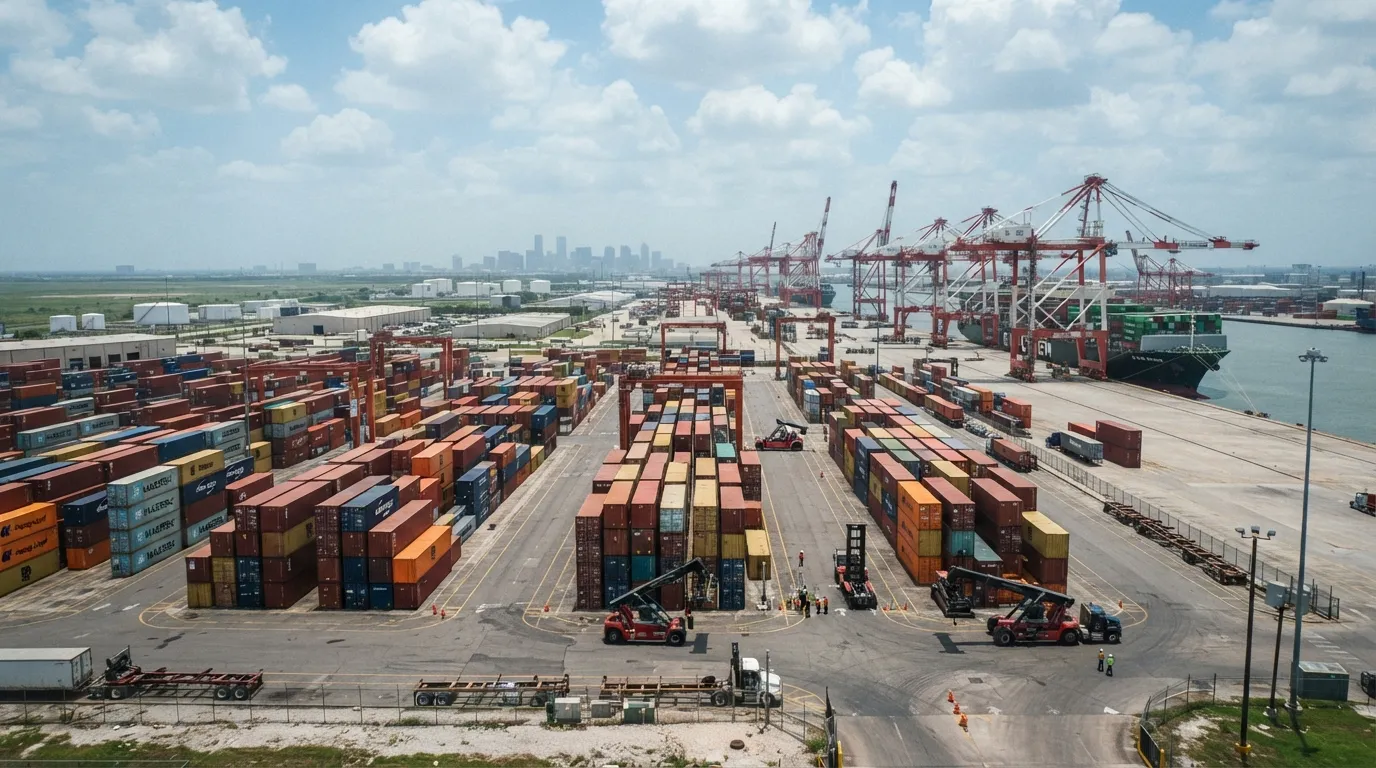
Houston, TX
Port city · No zoning · Deed restrictions govern
Gulf Coast port supply keeps Houston pricing competitive. The permit question is unusual — Houston has no zoning ordinance, so recorded deed restrictions are the real constraint, and knowing whether you're actually in the City of Houston matters more than anywhere else in the country.
Read the Houston guide →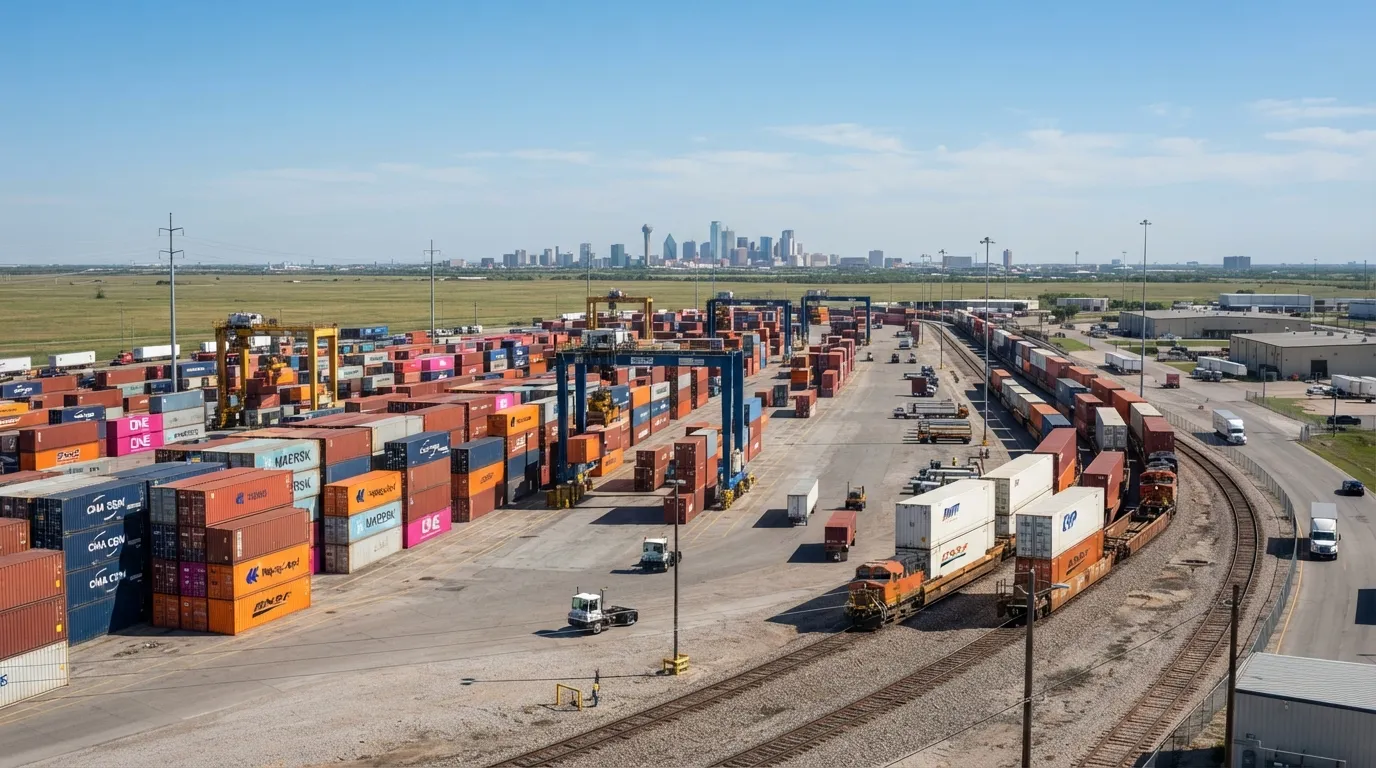
Dallas, TX
Inland rail hub · Traditional zoning code
One of the largest inland container markets in the country, with supply moving on rail schedules rather than tides. Unlike Houston, Dallas runs a traditional zoning code — your classification is the first question, not the last.
Read the Dallas guide →More cities coming
We're expanding location coverage based on what readers ask for. In the meantime, our container buying guide and rental pricing guide both include regional price breakdowns covering the whole US.