Shipping container homes have moved from novelty to a genuine alternative to traditional construction. They're faster to build, often cheaper at the entry level, and structurally robust — but they come with real tradeoffs in cost, complexity, and local regulation that aren't always covered honestly in the glossy articles.
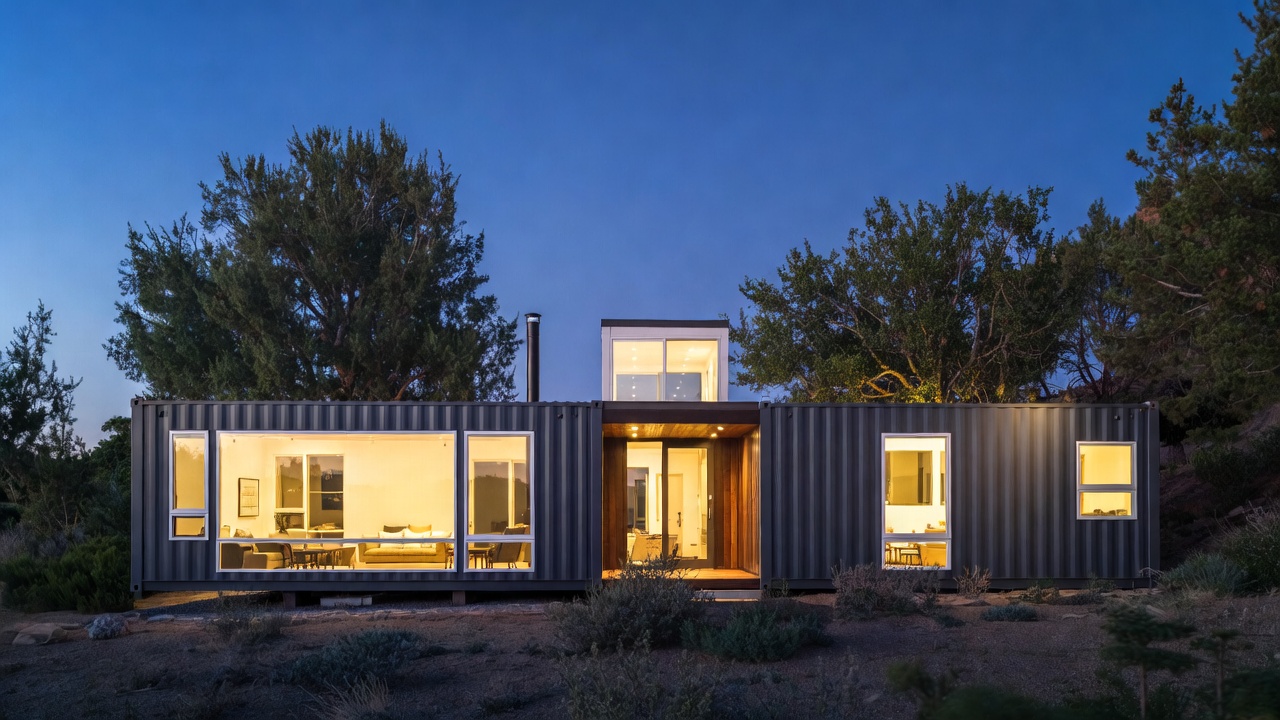
This guide covers the full picture. Use the links below to jump to the topic you need, or read through for a complete overview before you make any decisions.
How much does it cost?
Complete pricing breakdown from base container to keys in hand. Single-container cabins to multi-unit family homes.
Read the cost guide →Design ideas & layouts
Single-container studios, L-shapes, two-story stacks, and open-plan configurations. What works and what doesn't.
Browse designs →Floor plans guide
How to find or commission plans, what to include for permits, and pre-made plan options that work in most states.
See floor plans →Is it legal where you live?
Zoning laws, building codes, and how to check if container homes are permitted in your county before you buy anything.
Check legality →Finding a contractor
What to look for in a container home builder, red flags to avoid, and the right questions to ask before signing anything.
Find a contractor →What is a container home?
A container home is a residential structure built using one or more standard intermodal shipping containers — the same steel boxes used to transport goods by ship, rail, and truck. A standard 20ft container is 160 sq ft inside; a 40ft container gives you about 320 sq ft. Most container homes combine multiple units to reach a livable square footage.
The appeal is structural integrity (shipping containers are built to stack six units high, fully loaded), speed of construction, and the ability to build in unconventional locations. The drawbacks are just as real: steel conducts heat and cold aggressively, the rectangular footprint limits layout flexibility, and local zoning can be a serious obstacle.
Quick facts
160 sq ft
Interior space, 20ft container
$25K+
Entry-level single container build
3–6 mo
Typical build timeline
25+ yrs
Expected lifespan, properly maintained
Pros and cons — the honest version
Advantages
- Faster to build than traditional construction
- Lower entry cost at the budget level
- Extremely strong structural frame
- Modular — easy to expand later
- Works well off-grid or on remote land
- Distinctive aesthetic that's hard to replicate
- Steel is durable and low-maintenance externally
Disadvantages
- Steel conducts heat — insulation is essential and expensive
- Narrow 8ft interior width limits layout options
- Zoning restrictions in many areas
- Cutting openings weakens the structure — needs engineering
- Condensation can cause mold if not properly sealed
- Fewer contractors experienced with container builds
- Resale market is smaller than traditional homes
Is a container home cheaper than a regular house?
At the budget and mid-range level, yes — but the gap is smaller than most people expect and disappears entirely at the high end. A well-built, fully finished container home typically costs $130–$200 per square foot, compared to the US average of $200–$400 per square foot for traditional construction.
The savings come primarily from the structural frame being largely complete when you buy the container. You're not paying for framing labor. But everything else — foundation, insulation, MEP systems, interior finishing — costs roughly the same as any other build.
The 40% rule
Many container home builders estimate that the container itself represents only 10–15% of the total project cost. The remaining 85–90% is everything else. Keep this in mind when you see headline figures like "container home for $35,000" — those numbers rarely include foundation, utilities, permits, or finishing.
How long does it take to build?
A simple single-container home with basic finishes can be assembled in 8–12 weeks once you have permits and the container on site. A two to three container home with full finishes typically takes 4–6 months. Complex multi-container designs with architectural features can take 9–12 months or more.
The permitting phase is often the longest part — it can take 2–6 months depending on your jurisdiction, and some areas require multiple hearings before approval. Starting the permit process early, before you've committed to a design, is the single biggest time-saver in a container home build.
Where to start
The right first step depends on how far along you are in the planning process:
- Just exploring? Start with the cost guide to understand what you're actually signing up for financially.
- Have land already? Go to the legality guide first — it determines what you can legally build before you design anything.
- Ready to design? The designs page covers layout options, and floor plans covers how to get drawings that will pass permitting.
- Ready to build? The contractor guide walks you through finding and vetting builders.
When you're ready to price out the container itself, use the button below to compare suppliers and get quotes.
Before you buy land — check permits first
Download our free permits checklist — zoning research, building dept questions, document list, and state-by-state permitting reference.
Want the complete container home building guide?
Step-by-step guide covering design, permits, foundation, insulation, electrical, plumbing, and finishing — everything you need to plan and build your container home.